HospitalityBath · AEC Design Brief
Luxury Resort Bathroom Trends 2026: Materials, Fixtures & Design Priorities
Resort bathrooms are being planned as part of a wider guest experience, with design choices tied to comfort, local character, maintainability, and building performance. This 2026 AEC brief translates current hospitality design directions into practical questions for architects, interior designers, engineers, owners, and facilities teams.

Design for Guest Experience and Daily Operations
Hospitality design forecasts for 2026 emphasize emotional connection, integrated wellness, craft, and a stronger relationship to place. For a resort bathroom, those ideas can shape the sensory experience, but they also need to work with room planning, cleaning routines, service access, and the expectations of different guests.
Use trend reporting as a design reference, then test each choice against the project brief. A memorable finish or bathing feature should have a clear purpose and a maintenance plan the property can support.

Wellness Features with a Clear Specification Rationale
Wellness-oriented bathrooms may include a comfortable shower, soaking tub, seating, layered lighting, or controls that let guests adjust the experience. The right mix depends on room category, available space, operating strategy, and the property’s intended guest experience.
For multi-outlet showers, steam features, and other technically complex options, coordinate water supply, drainage, power, controls, waterproofing, ventilation, and service access before the design is finalized. In accessible rooms, coordinate the complete layout and applicable local requirements rather than relying on a single product feature.

Tactile Materials and Place-Led Palettes
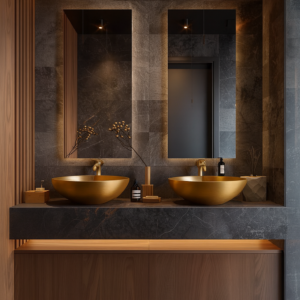
Hospitality design discussions for 2026 place renewed attention on tactile materials, craft, and design connected to the project’s setting. In resort bathrooms, that direction can appear through textured tile, stone, wood tones, distinctive metal finishes, or a restrained palette that carries through several surfaces.
Translate the concept into a material schedule that accounts for moisture exposure, cleaning agents, slip resistance where relevant, replacement availability, and long-term appearance. Review samples in the proposed lighting and assess transitions between wet and dry zones.
- Request product-specific maintenance and installation guidance.
- Coordinate grout, sealants, edge details, and waterproofing systems.
- Use a mock-up to review color, texture, joints, and cleanability.

Biophilic Details That Can Be Maintained
Nature-informed design can connect a resort interior with its landscape through views, daylight, planting, natural textures, and regionally appropriate materials. The design intent should be coordinated with humidity, water management, cleaning access, and the care available from the property team.
Where natural stone or wood is proposed in a wet area, confirm the selected product’s suitability, finish, maintenance needs, and replacement strategy. Manufactured surfaces may offer an alternative where a project needs a similar visual effect with a different care profile.

Integrated Lighting and Quiet Technology
Lighting can support grooming, wayfinding, and atmosphere through a combination of ambient, task, and accent sources. Illuminated mirrors or backlit surfaces should be evaluated for glare, color quality, dimming compatibility, moisture suitability, and access to drivers or other service components.
Bathroom technology is most useful when it is intuitive for guests and manageable for staff. Thermostatic controls, preset settings, lighting scenes, or water monitoring may be considered where they fit the project systems. Confirm power, network, commissioning, support, privacy, and reset procedures before selecting connected equipment.
Resource Use and Product Documentation
Resource goals should be expressed in measurable project criteria. Compare fixture flow data and product-specific environmental documentation, and check how each selection performs with the building’s water conditions and applicable local requirements. Avoid relying on broad sustainability language when the project needs evidence for a particular product or assembly.
Material selections can also affect replacement cycles and construction waste. Ask suppliers for available information about composition, sourcing, repairability, spare parts, and end-of-life options. Record what is verified and identify any items that still require confirmation during submittal review.
Privacy, Circulation, and Inclusive Use
Open-plan bathrooms can create a strong visual connection with the guest room, but they may reduce privacy, sound separation, or flexibility. Opaque doors, screens, glazed partitions, and separate water-closet enclosures each affect circulation, cleaning, and the guest experience.
Review the complete room plan for clear routes, control reach, shower access, storage, seating, and privacy. Coordinate accessible guest rooms with the requirements that apply to the project’s jurisdiction and property type.
Lifecycle Planning for Resort Teams
Facilities and housekeeping teams can help identify details that influence room-turn time and long-term upkeep. Consult them when choosing grout, sealants, finish families, service panels, and cleaning procedures. Confirm that concealed valves, electrical components, and other maintainable items can be reached without unnecessary removal of finished work.
- Check lead times and replacement-part availability.
- Document approved cleaners and care instructions.
- Coordinate finish schedules across guestroom types.
- Include service access and maintenance information in handover documents.
2026 Resort Bathroom Specification Checklist
Use these questions to connect design intent with construction and operations:
- Does each wellness feature match the room type and guest-use strategy?
- Are plumbing, electrical, ventilation, waterproofing, and control requirements coordinated?
- Have material samples been reviewed under project lighting and with the intended cleaning method?
- Are accessibility, privacy, circulation, and control reach addressed across the full layout?
- Can facilities staff reach serviceable components and source replacement parts?
- Are sustainability claims supported by documentation for the specified products?
In 2026, resort bathroom design continues to balance atmosphere with operational resilience. For AEC teams, a successful specification translates wellness, craft, and local character into coordinated assemblies that guests can use comfortably and property teams can maintain over time.
Related Topic
See the hotel bathroom materials guide for additional considerations on vanities, tubs, showers, and finish selection.
About the Author
Ilse Crawford
HospitalityBath Blog Post
Luxury Resort Bathroom Trends 2025: Materials, Fixtures & Aesthetic Innovation
Luxury resort bathrooms bring guest experience and building performance into the same space. In 2025, design conversations continued to explore spa-inspired bathing, expressive materials, integrated lighting, and more considered technology. For project teams, each design move also raises practical questions about cleaning, water use, service access, durability, and the needs of different guests.
This guide reviews those directions as planning ideas—not as requirements for every resort. Final selections should be checked against the property’s operating model, project budget, local requirements, and the documentation for each specified product.
Spa-Inspired Bathing, Planned Around the Guest
Resort bathrooms can support a more restorative routine through features such as a generous shower, a soaking tub, a comfortable place to sit, or layered lighting. These elements work best when they fit the room and the guest profile. A multi-outlet shower, for example, needs coordinated controls, suitable water capacity, and service access; it should not be specified as a visual feature alone.
Wet and dry zones, accessible storage, reachable controls, and clear circulation help the room feel comfortable to use. Before adding amenities such as steam, body sprays, or towel warming, teams should confirm electrical and plumbing requirements, maintenance responsibilities, and the effect on room turnover.
Texture, Color, and Material Continuity
Material palettes can give a resort bathroom a distinct identity, whether the design uses richly patterned tile, stone-like surfaces, warm neutrals, or deeper colors. Coordinating finishes across the floor, walls, vanity, and shower can create visual continuity, while a contrasting surface or fixture finish can provide a focal point.
For hospitality settings, the selection process should also consider how surfaces respond to moisture, cleaning products, abrasion, and frequent use. Review samples under the project’s lighting and, where practical, evaluate a mock-up with the cleaning products used by operations staff. Trend references can inform the design direction, but product-specific performance data should guide the specification.
Nature-Informed Materials and Detailing
Natural light, views, plants, stone, and wood tones can help connect a resort interior with its setting. Where natural materials are used in wet areas, the team should confirm the required sealing, cleaning method, replacement availability, and suitability for repeated moisture exposure. Porcelain and other manufactured surfaces can also provide nature-inspired patterns where a project needs a different maintenance profile.
Biophilic details should be coordinated with ventilation, waterproofing, and housekeeping routines. For example, planting near a shower or tub needs a plan for drainage, humidity, and ongoing care. The design intent is most successful when those operational details are resolved early.
Statement Surfaces and Integrated Lighting
Backlit stone, sculptural basins, and illuminated mirrors can shape the mood of a guest bathroom while providing useful task lighting. When these features are considered, review light output, glare, color rendering, dimming compatibility, and access to drivers or other service components. Lighting should support grooming and safe movement as well as the intended atmosphere.
For illuminated stone or counters, confirm that the selected material and lighting assembly are designed to work together. Mock-ups can help the design team assess the appearance of veining, reflections, and color temperature before the specification is finalized.
Technology That Supports a Reliable Routine
Technology in a resort bathroom may include thermostatic controls, preset shower settings, occupancy-aware lighting, or water-use monitoring. The right approach depends on the property’s systems, staff capabilities, and guest expectations. Controls should be intuitive, and the project team should confirm how settings are reset between stays and how faults can be diagnosed.
Specify connected products only after checking network, power, commissioning, privacy, and ongoing support requirements. Where a manual control or override is part of a product, confirm its operation in the manufacturer’s documentation rather than assuming every system includes one.
Sustainability Designed Into the Specification
Water and material decisions can affect both resource use and daily operations. Project teams can compare fixture flow data, identify products with repairable components, and request environmental or lifecycle documentation where it is available. Any water-saving target should be evaluated alongside the required user experience, the building’s water conditions, and applicable local requirements.
For finishes and materials, ask suppliers for product-specific information on composition, sourcing, maintenance, and replacement parts. Claims about recycled content, emissions, or certifications should be tied to documentation for the exact product being considered.

Fixture Finishes and Long-Term Serviceability
Metal finishes help establish the character of a bathroom, from polished chrome to warmer brass and bronze tones. In a resort, the visual choice should be reviewed alongside the finish’s cleaning instructions, warranty terms, and availability of matching replacement parts. Samples should be checked under the actual lighting and against adjacent materials.
Standardizing fixture families across room types may simplify staff training and spare-parts planning. Where a project uses several finishes or custom components, document the selected product numbers and maintenance guidance in the project schedule and operations handover.
Layout, Privacy, and Inclusive Use
Open layouts can make a suite feel more spacious, but they need careful privacy planning. Glazed partitions, sliding panels, and separate water-closet enclosures each affect sightlines, sound, cleaning, and circulation. The best arrangement depends on the room plan and the expectations of the guests who will use it.
Accessible guest rooms should be coordinated with the applicable local requirements and the complete bathroom layout. Consider clear routes, approach space, control reach, shower access, seating, and storage together; a single fixture choice does not make a room accessible.
Operations and Lifecycle Planning
A memorable design still has to perform through repeated room turns. Involve facilities and housekeeping teams while materials, grout, sealants, fixtures, and service panels are being selected. Review cleaning instructions against the property’s actual procedures, and verify that concealed components remain accessible for inspection or repair.
Before procurement, confirm lead times, approved substitutions, product documentation, and the availability of replacement parts. A coordinated mock-up can help teams assess appearance, usability, cleaning, and maintenance before repeating the design across a full property.
Planning a Resort Bathroom for 2025
The 2025 design conversation brought wellness, expressive materials, integrated lighting, and technology into the resort bathroom. For project teams, those ideas are most useful when translated into decisions that suit the guest profile and can be supported by the building and its operations team.
- Coordinate the desired guest experience with room type, circulation, privacy, and accessibility needs.
- Review material samples under project lighting and check cleaning and maintenance requirements.
- Verify fixture performance, compatibility, service access, and replacement-part availability.
- Request product-specific documentation for sustainability or certification claims.
- Document selected products and operating guidance for the facilities team.
References & Further Reading
Related Topic
For a closer look at specifying surfaces in hotel bathrooms, see the related material guide.
About the Author
Ilse Crawford
Hospitality & Environmental Design Specialist